MCA
Master of Computer Applications
About the Program
The MCAis a post-graduate full-time degree in Computer Applications designed to build strong theoretical foundations and hands-on skills in advanced computing and software development. It’s a 2-year program divided into 4 semesters, affiliated with Dr. A.P.J. Abdul Kalam Technical University (AKTU) and approved by AICTE.
IAMR’s MCA curriculum blends classroom learning with practical labs, workshops, project work, and industry-oriented training. The program emphasizes key areas like software development, database systems, networks, and emerging technologies such as AI, Machine Learning, NLP, Computer Vision and robotics.
Specializations
Machine Learning
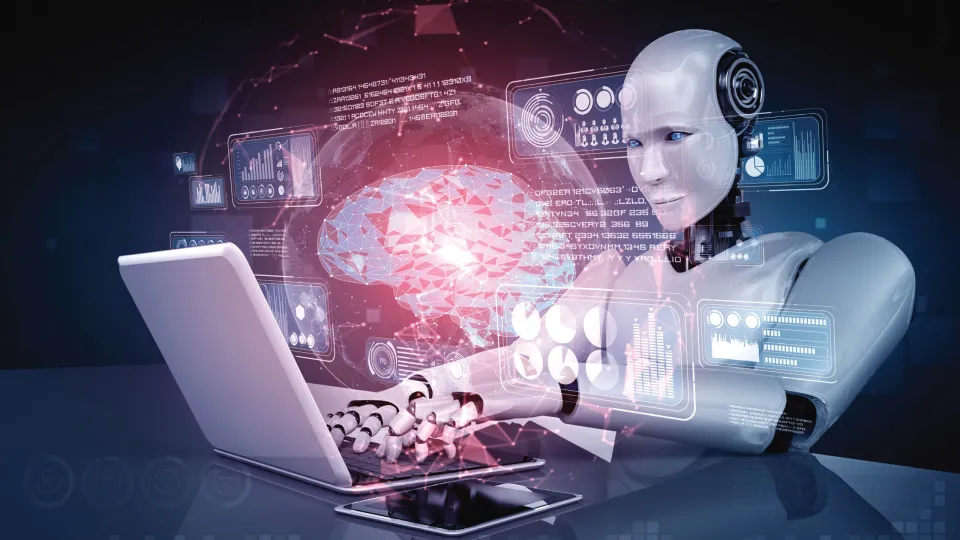
MCA Program with Machine Learning is designed to provide in-depth knowledge and practical experience in the field of machine learning (ML), which is a subset of artificial intelligence. This program typically covers various ML algorithms, techniques, and applications and helps students gain expertise in building intelligent systems using large datasets.
Master of Computer Applications (MCA) course gives an in-depth knowledge about how to develop efficient computer applications and software. It is a two years professional post-graduate program approved by AKTU. The program is a blend of theoretical and practical training. An MCA degree enables the students to work with tools used to develop better and complex applications, learning about trends in the industry, and preparing themselves to work in a competitive environment. The institute employs a variety of teaching and learning techniques to impart knowledge and skills to students. Lectures, presentations, seminars, workshops, laboratory sessions, project work etc. are commonly used to develop conceptual, analytical, and decision-making skills of the students, and to prepare them to face the challenges of the organizational environment. The institute makes a concerted effort to assess the performance of the students through a continuous evaluation system that includes assignments, presentations, software experimentation, tests, quizzes, midterm and semester-end examination to ensure the highest academic standards are maintained in both, theoretical as well as practical aspects. The institute emphasizes on the classroom studies and laboratory sessions. However, the institute also motivates the students for the important component of practical project implementation. The project implementation process includes project requirement gathering, analysis of the system, and eventually design of the computerized system for the execution of the project. Finally, the students prepare the requisite report for the project and present that in front of experts for evaluation.
Artificial Intelligence
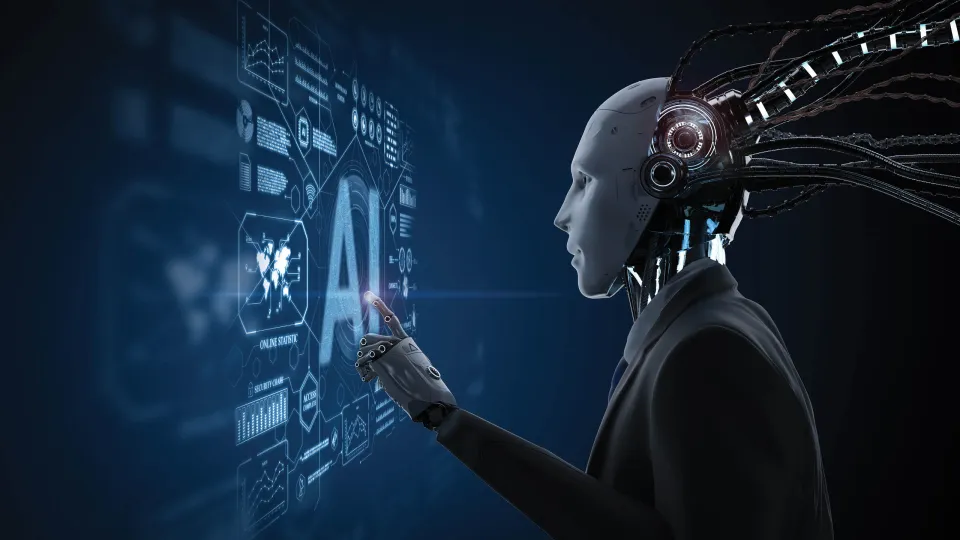
MCA with Artificial Intelligence (AI) is an advanced academic/professional course designed to provide in-depth knowledge and skills in AI, including machine learning, deep learning, natural language processing, computer vision, and robotics. These programs are typically aimed at individuals with a background in computer science, engineering, or related fields who wish to advance their expertise in AI and its practical applications.
It is a two years professional post-graduate program approved by AKTU. The program is a blend of theoretical and practical training. An MCA degree enables the students to work with tools used to develop better and complex applications, learning about trends in the industry, and preparing themselves to work in a competitive environment. The institute employs a variety of teaching and learning techniques to impart knowledge and skills to students. Lectures, presentations, seminars, workshops, laboratory sessions, project work etc. are commonly used to develop conceptual, analytical, and decision-making skills of the students, and to prepare them to face the challenges of the organizational environment. The institute makes a concerted effort to assess the performance of the students through a continuous evaluation system that includes assignments, presentations, software experimentation, tests, quizzes, midterm and semester-end examination to ensure the highest academic standards are maintained in both, theoretical as well as practical aspects. The institute emphasizes on the classroom studies and laboratory sessions. However, the institute also motivates the students for the important component of practical project implementation. The project implementation process includes project requirement gathering, analysis of the system, and eventually design of the computerized system for the execution of the project. Finally, the students prepare the requisite report for the project and present that in front of experts for evaluation.